

If you're a payroll or compliance leader evaluating earned wage access, you've probably already thought about the regulatory risk. EWA sits at the intersection of payroll law, consumer finance regulation and state licensing requirements, and the landscape is still evolving. The right question isn't just "Is this vendor compliant today?" It's "How did they build their product, and does that hold up as the rules change?"
That question has a different answer depending on which provider you're looking at.
Rain runs on the payroll deduction model. Rain integrates directly with your HCM and timekeeping systems, calculates earned wages in near real time, and submits a deduction file at the end of each pay cycle that drops into your existing payroll process. You stay the wage payer. Payroll runs the same way it always has. Taxes and statutory deductions come out in full before any EWA adjustment is applied.
That structure matters for compliance in a concrete way. Because repayment runs through employer-facilitated payroll transactions rather than consumer bank accounts, EWA advances under this model fall outside the definition of credit under the Truth in Lending Act and Regulation Z. If a final paycheck comes up short, Rain takes the loss. The employee is never on the hook, and no credit check is ever run.
The CFPB's December 2025 Advisory Opinion codified exactly this approach as the federal standard for compliant EWA: accrued wages only, payroll integration, non-recourse, no credit checks, no mandatory fees. Rain already met every one of those criteria before the opinion came out. The guidance confirmed what the product was already built to do.
EWA providers operate under one of three models, and the compliance exposure of each is meaningfully different.
The payroll deduction model, which Rain uses, keeps the employer as the wage payer throughout. Advances are funded by Rain and recovered through a deduction file that runs through the employer's payroll at the end of each pay cycle. Repayment never touches the employee's bank account. That's the key structural fact that keeps EWA advances out of consumer credit territory under federal law.
The intercept model (i.e., “payroll takeover model”) works differently. The provider mandates that employers send employees' full paychecks to shadow bank accounts it controls, then sends the remaining paychecks to employees, putting the vendor between your payroll and your workforce. The EWA vendor, not the employer, becomes the source of the employee's paycheck. That creates real payroll risk: sometimes that vendor has had system outages and employees didn't get paid until days after their payday. Last, on the paystub the employee cannot see the amount deducted from their paycheck which creates confusion for employees that employers must address. These aren't edge cases. They're predictable consequences of how those products are built.
In the D2C credit model (also known as the “settlement model”), the vendor mandates that employees receive their paychecks at the vendor’s partner bank and open a consumer credit account at the bank. Then the vendor is repaid by debiting the consumer’s bank account at the partner bank rather than recovering through an automated employer-facilitated deduction. This model is regulated by states as consumer credit, which is why the D2C credit vendors typically do not operate in >10 states.
The compliance risk across these models isn't theoretical. It's structural. The payroll deduction model sidesteps the problems inherent in the other two because repayment stays inside the payroll process and the employer never hands off control.
Rain's compliance work isn't handed off to outside counsel when questions come up. Tom Scanlon, Rain's General Counsel and Chief Compliance Officer, worked at the U.S. Department of the Treasury before joining Rain, where he played a principal role drafting the Consumer Financial Protection Act of 2010. His team tracks federal and state regulatory developments on an ongoing basis and updates Rain's platform and disclosures as requirements change.
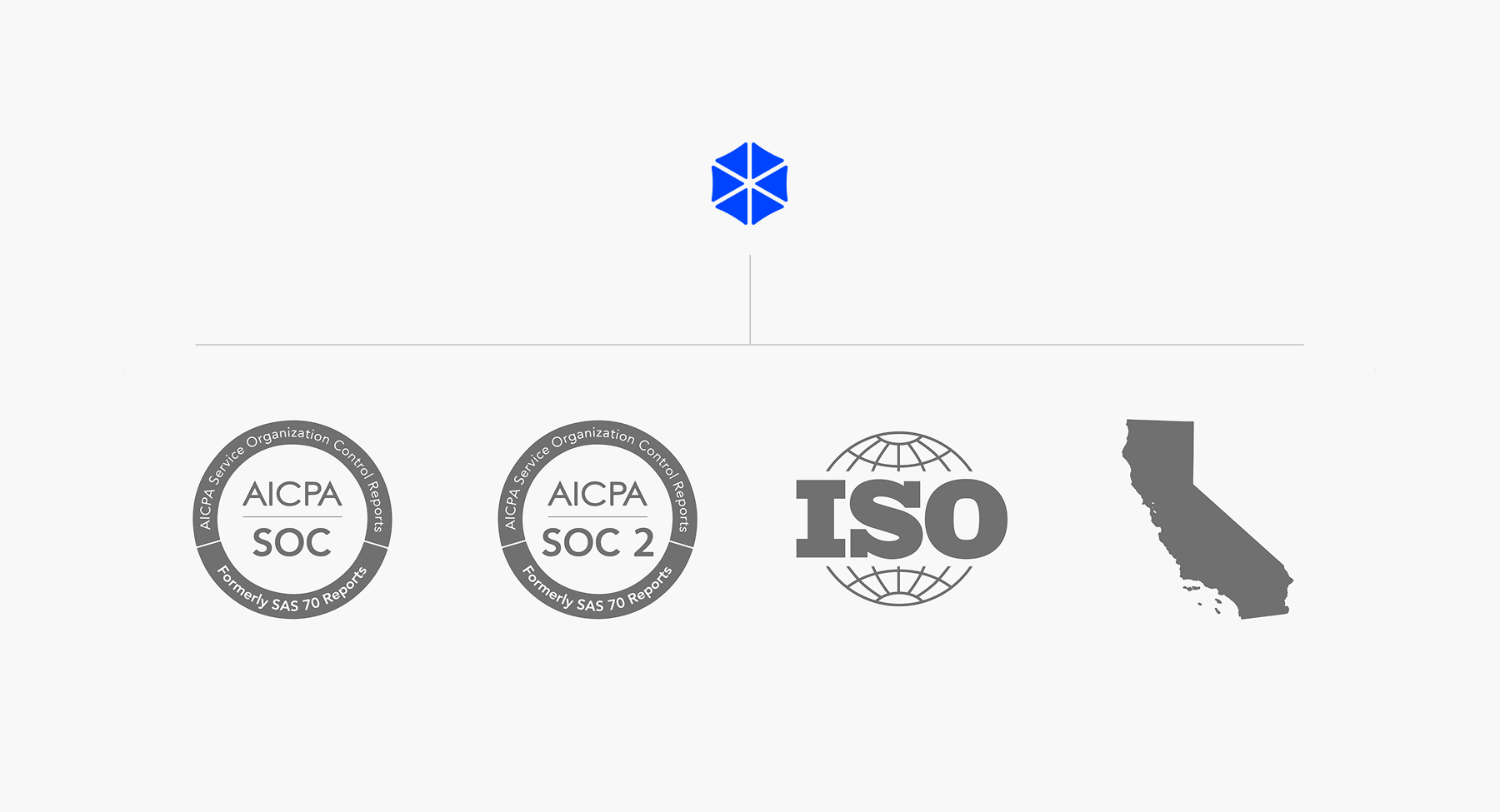
That shows up in Rain's licensing record. Rain is approved in California, Maryland and Missouri, with applications pending in Kansas, Nevada, South Carolina, Utah and Wisconsin. That covers every state that has enacted EWA-specific legislation. In states without enacted EWA law, Rain operates in alignment with the CFPB's covered provider framework.
Rain has not been the subject of EWA-related litigation. An inquiry came from the Nevada Financial Institutions Division in 2022. Rain responded, and the agency took no further action. That said, Rain's leadership is direct about the fact that a clean record today is not a permanent guarantee. The regulatory environment is still moving, and any vendor telling you otherwise isn't tracking the landscape honestly.
When you bring on an EWA provider, you're not just adding a benefit. You're adding a vendor that touches your payroll process, your employees' wages and your exposure to state and federal consumer finance law. The compliance posture of that vendor becomes, in part, your compliance posture.
Rain's deductions are pre-confirmed before payroll runs, which cuts out the errors that come with same-day adjustments. Employees see a single line item on their pay stub, and their bank deposit always matches. No shadow accounts. No intercepted direct deposits. No third party sitting between you and your employees' paychecks.
Compliance for Rain isn't a layer on top of the product. It's the reason the product works the way it does.
Want to learn more about Rain and how it’s a win-win for your employees and your organization? Sign up for a demo!
© 2026 Rain Technologies Inc.