

Most financial advice sounds the same: spend less, save more, build an emergency fund. For the 78 million Americans working hourly or frontline jobs, where paychecks are tight and expenses rarely wait, that advice isn't wrong so much as it's incomplete. Knowing you should save and having a realistic way to do it are two different things.
The numbers make that gap hard to ignore. According to Bankrate's 2025 Annual Emergency Savings Report], 43% of Americans couldn't cover a basic $1,000 emergency without going into debt, and 24% have no emergency savings at all. For that group, there's nothing between them and a car repair, a medical bill or a week of missed shifts.
This isn't a character flaw. When income barely covers expenses and there's no obvious place to put extra money, savings don't happen automatically. They require a system.
A rainy day fund, even a modest one, does something easy to underestimate: it breaks the cycle of reactive borrowing. When an unexpected expense hits, the default option for most people without savings isn't a bank loan. It's usually a credit card cash advance or an overdraft charge. These cost money and make the next month harder than this one.
Research consistently shows that people with even $250–$500 in liquid savings are significantly less likely to turn to high-cost credit after a financial shock. Even a few hundred dollars is enough to change what options someone has when something goes wrong.
There's a mental health dimension worth noting, too. Financial anxiety is one of the leading drivers of workplace stress, and it tends to compound: people who are stressed about money make worse financial decisions, which creates more stress. A small set-aside balance won't resolve every financial problem, but it reduces how often emergencies become crises, and that has a real effect on how people feel day to day.
For hourly workers, the friction of saving isn't about willpower. Traditional savings accounts require a separate banking relationship, often a minimum balance and the discipline to manually transfer money before it gets spent. For someone managing a tight cash flow, those are real obstacles, and most people stop before clearing all of them
The habit of saving is genuinely hard to start when every dollar feels spoken for. What makes it easier is keeping everything in one place (the same app, the same account, no extra steps) so that setting money aside doesn't require opening a new account, filling out paperwork or remembering to do it manually.
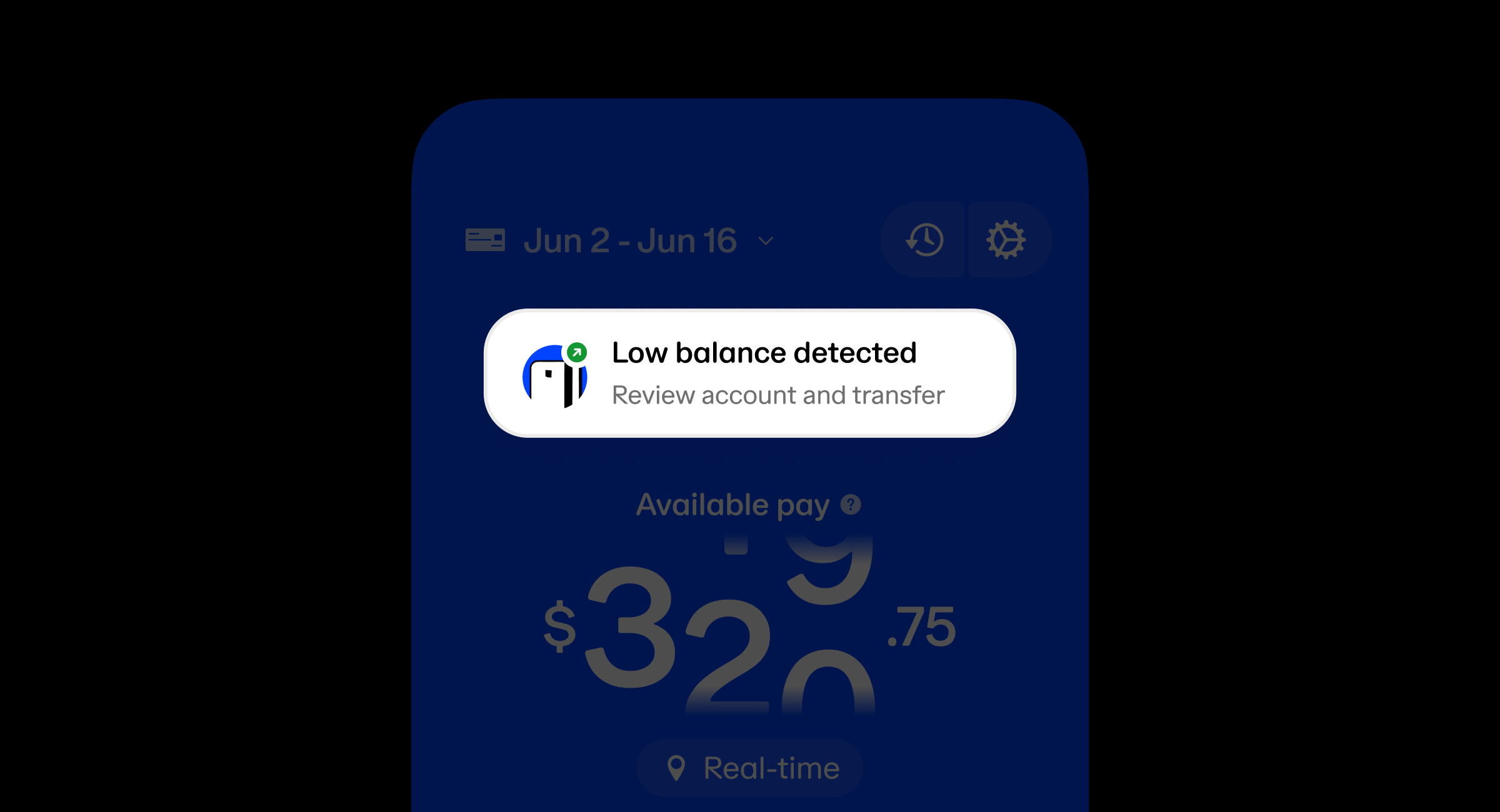
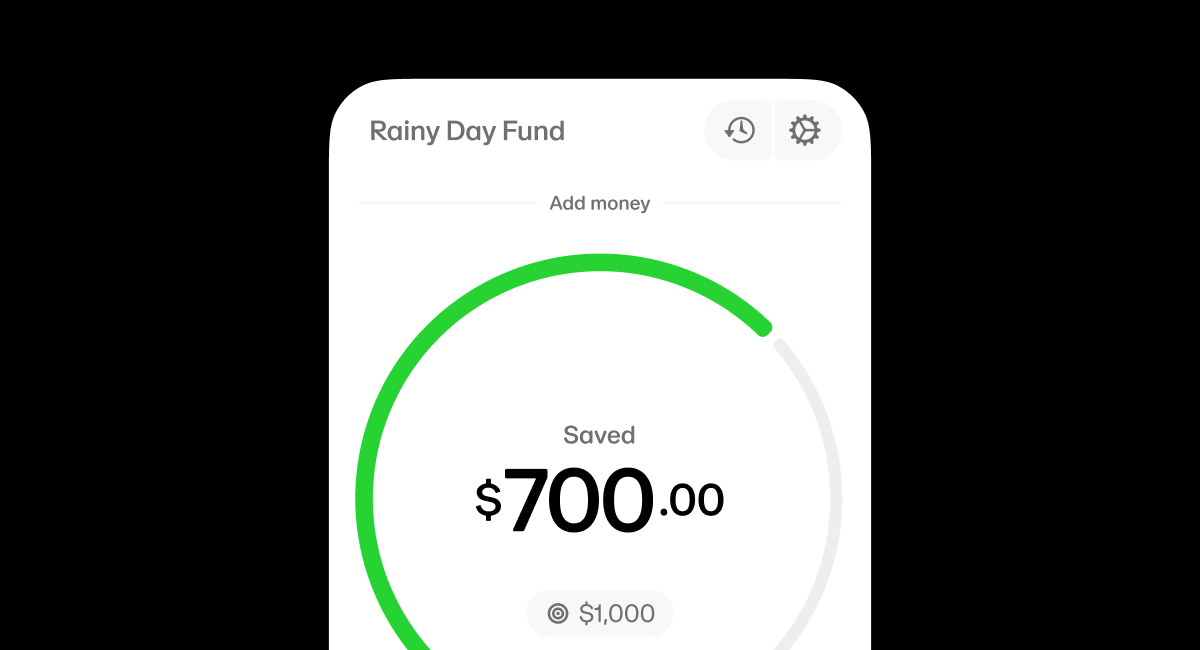
Rain's Rainy Day Fund is built around that idea. It lets employees set aside money directly from their Rain Bank Account into a dedicated Rainy Day Fund, without additional identity verification or fees.
The Rainy Day Fund is a dedicated balance inside an existing Rain Bank Account, not a new account or separate financial product. Money moves in from the Rain Bank Account and back out to it, staying within the Rain ecosystem. There's no new login to manage, no separate institution to deal with and no new process to learn.
For someone who's never had a Rainy Day Fund, that structure lowers the cost of starting. The Rainy Day Fund offers a way to begin small and watch the balance grow, using money already managed through Rain.
The goal isn't a six-month emergency fund built overnight. It's a first buffer, enough to keep a bad week from becoming a bad month.
Learn more about Rain's financial health platform here.
© 2026 Rain Technologies Inc.